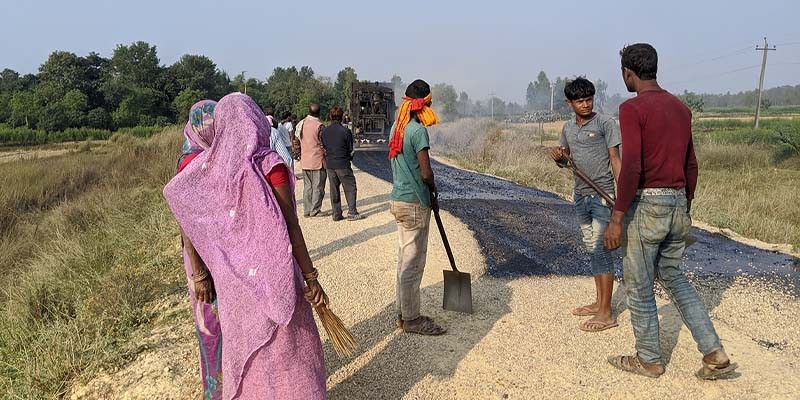
Women workers dusting the road before laying bitumen for Otta Seal surfacing in Rauja, Mahottari.
Photo by: Nilima Rai
Migrant workers at leisure outside their residential camp in Abu Dhabi, UAE (2011)
Photo by: Santosh Tumbahangphe
Migrants use the computer and internet to keep in touch with family and friends and watch latest serial comedies (Qatar, 2010)
Photo by: Tristan Bruslé
The rise of information technology has better connected the migrants with their families back home.
Photo by: Jeevan Raj Sharma
Migrant workers in a gated community are the link between the city's spaces (Qatar, 2010)
Photo by: Tristan Bruslé
Worker blowing the dust/sand off the road with compressed air at a construction site in Tanahu before the binder is sprayed.
Photo by: Arjun Kharel
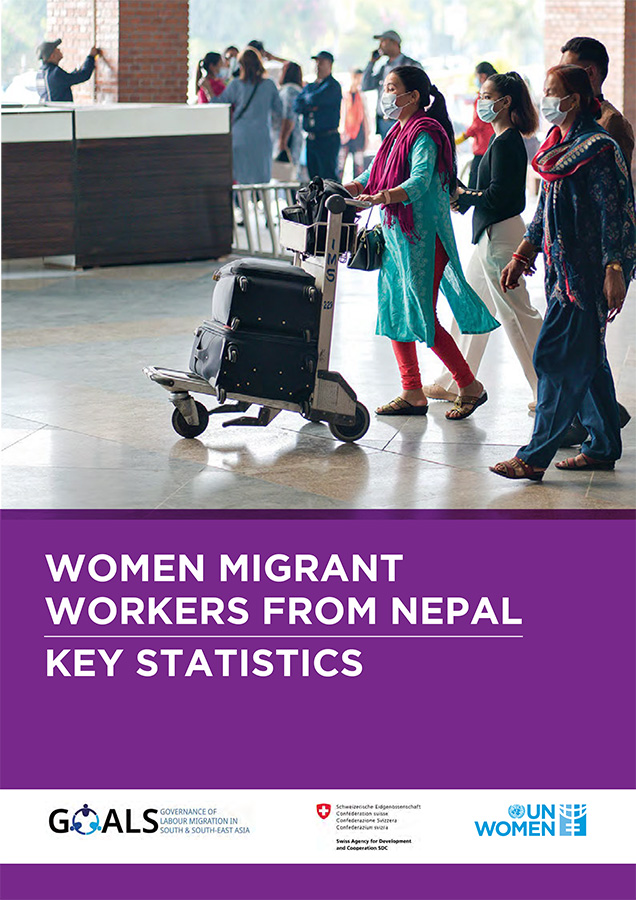
Nepali female migrant worker in Kuwait.
Photo by: Kesang Tseten
Migrant workers return to the western hills of Nepal from India. This photo was taken in Bajura.
Photo by: Mohan Mainali
Living with stars (Qatar, 2010)
Photo by: Tristan Bruslé
Migrant workers from Jajarkot, Salyan, Kalikot and Baitadi districts constructing gabion walls at a road construction site in Myanglung, Terhathum.
Photo by: Nilima Rai
An official at the Siraha branch of the Red Cross Society helps prospective migrants fill out passport application forms for a nominal fee. This arrangement was sanctioned by the Chief District Officer as a source of funds for the Red Cross.
Photo by: Nabin Rawal
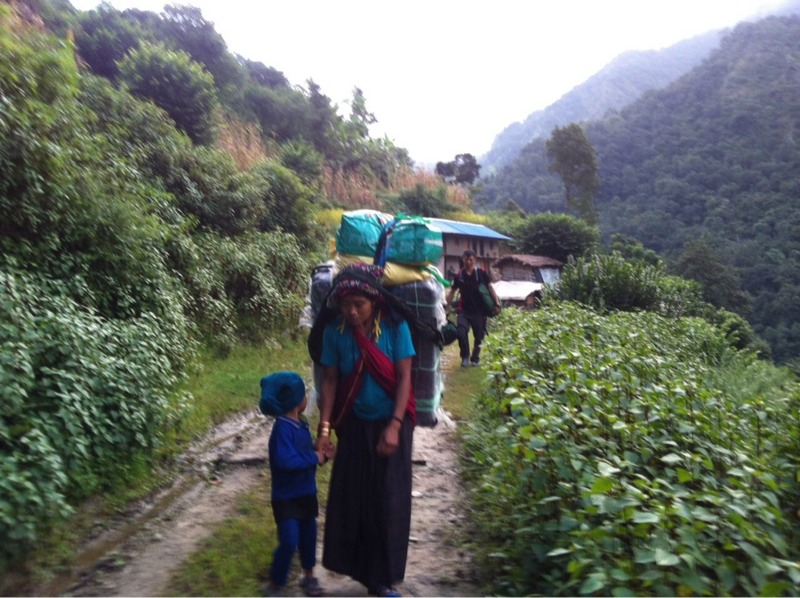
A woman porter trudges the Everest trail near base camp with provisions for climbers headed for the summit.
Photo by: Bijay Gajmer
A peek at a workplace in Abu Dhabi, UAE (2011)
Photo by: Santosh Tumbahangphe
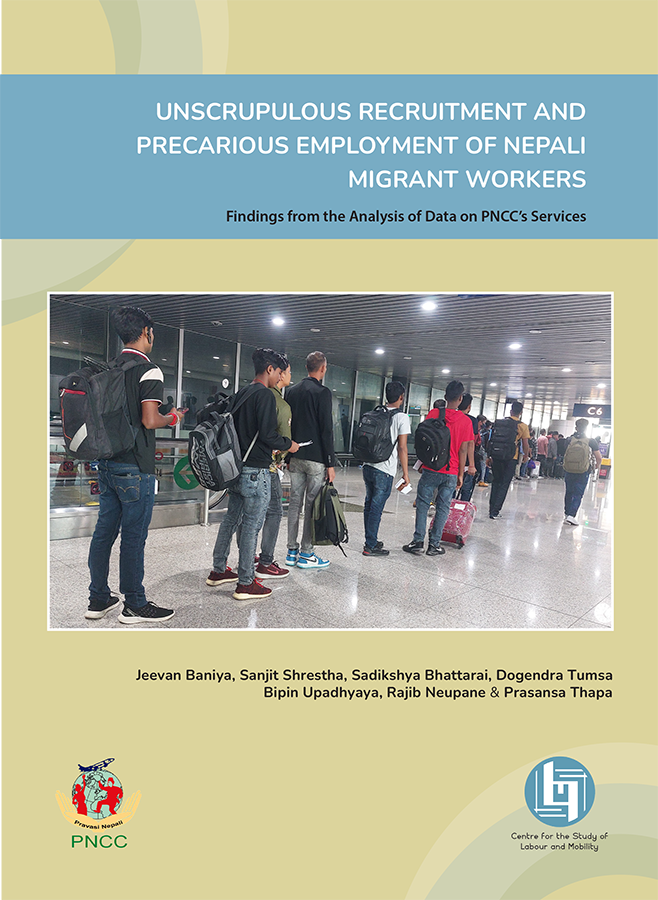
Migrants waiting at the Tribhuvan International Airport.
Photo by: Shiva Bisangkhe
A Nepali worker on night duty in Abu Dhabi, UAE (2011)
Photo by: Santosh Tumbahangphe
'We book plane tickets to Saudi, Qatar, Malaysia, Dubai and Kuwait. We also confirm (ok) them.' - A banner in front of a retail shop in Sinoorjoda VDC, Janakpur
Photo by: Nabin Rawal
Many Nepali workers can be found working at tea estates in Assam, India.
Photo by: Nitu Sarmah
A small food outlet run by Baitadis chetris for all far-westerners working in Pithoragarh. (Pithoragarh, India, 2002)
Photo by: Tristan Brusle
Hard at work - A Nepali worker in a coal mine in India (2013)
Photo by: Rashmi Upadhayay
A Nepali tailor found a place to work for his numerous country-fellows porters (Mussoorie, India, 2003)
Photo by: Tristan Brusle
Nepali laborers constructing a business complex in Samakhusi Kathmandu during the lockdown.
Photo by: Jeevan Baniya
Young Nepali boys wait for work as porters in Nainital, India. Many people travel from the Far-and Mid-Western regions of Nepal to work as porters.
Photo by: Prakash Bikram Shah
Internal migrant workers sand-sealing the road, the final step of the Otta Seal surface treatment process, at a road construction site in Tanahun.
Photo by: Arjun Kharel
Nepali Migrant Workers in Taklakot, Tibet.
Photo by: Mohan Mainali
Orientation training to women migrant workers
Photo by: Pourakhi
People carrying winnowing trays to sell at Barahchhetra, Sunsari.
Photo by: Bijay Gajmer
Workers collecting sand from Bagmati River, at Sankhamul in Kathmandu
Photo by: Bijay Gajmer
Nepali female migrant workers pray at a church in Kuwait
Photo by: Kesang Tseten
Deura, Bajhang district: Group of Nepali migrants coming back from Bangalore sort out their luggage after deboarding the overnight bus.
Photo by: Deepak Thapa
A house in Sinoorjoda, Janakpur, with Qatari-inspired architectural design.
Photo by: Nabin Rawal
Nepali workers in a coal mine in India (2013)
Photo by: Rashmi Upadhayay
Contrasting shopping spaces- Villaggio shopping mall (left), Al Attya Industrial Area (right) (Qatar, 2010)
Photo by: Tristan Bruslé
Industries and workers' dwelling places in one of Qatar industrial area (Qatar, 2010)
Photo by: Tristan Bruslé
A local fishing in the Koshi river of Barahchhetra, Sunsari
Photo by: Bijay Gajmer
Migrant returnee from Malaysia going home with his wife and son after four years.
Photo by: Nabin Rawal
Prospective migrant workers stand in queue to apply for the Korean Language Test in Kathmandu (May, 2011)
Photo by: CESLAM
An official at the Siraha branch of the Red Cross Society helps prospective migrants fill out passport application forms for a nominal fee. This arrangement was sanctioned by the Chief District Officer as a source of funds for the Red Cross.
Photo by: Nabin Rawal
A typical labor camp (Qatar, 2010)
Photo by: Tristan Bruslé
Cost of migration
Photo by: Taken from FEPB website
Collectively bought items in a migrants' room (Qatar, 2010)
Photo by: Tristan Bruslé
A local woman labourer picking outsize pebbles at a road construction site in Matihani, Mahottari.
Photo by: Nilima Rai
Many Nepali workers can be found working at tea estates in Assam, India.
Photo by: Nitu Sarmah
Office of Safe Migration Information Center
Photo by: Nabin Rawal
Migrant workers return to the western hills of Nepal from India. This photo was taken in Bajura.
Photo by: Mohan Mainali
Labor camp area facilities are minimal (Qatar, 2010).
Photo by: Tristan Bruslé
Young men quickly learn how to supplement the mess food often viewed as tasteless (Qatar 2010).
Photo by: Tristan Bruslé
Workers from Mahottari and Rautahat districts laying bitumen at a road construction site in Matihani, Mahottari.
Photo by: Nilima Rai
A house in Sinoorjoda, Janakpur, with Qatari-inspired architectural design.
Photo by: Nabin Rawal
Send your hard-earned money to your family through a trustable medium. Calendar printed by IME shows two Nepali celebrities
Photo by: Tristan Bruslé
'We book plane tickets to Saudi, Qatar, Malaysia, Dubai and Kuwait. We also confirm (ok) them.' - A banner in front of a retail shop in Sinoorjoda VDC, Janakpur
Photo by: Nabin Rawal
Workers spending energy after work and train in the self funded gym hall (Qatar 2010).

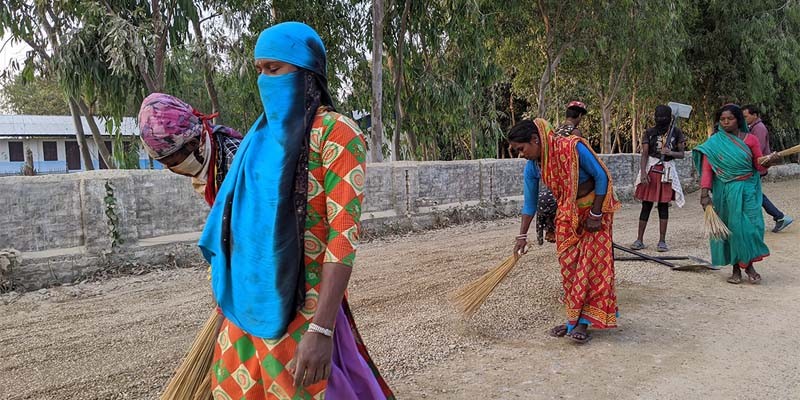 Women workers dusting the road before laying bitumen for Otta Seal surfacing in Rauja, Mahottari.
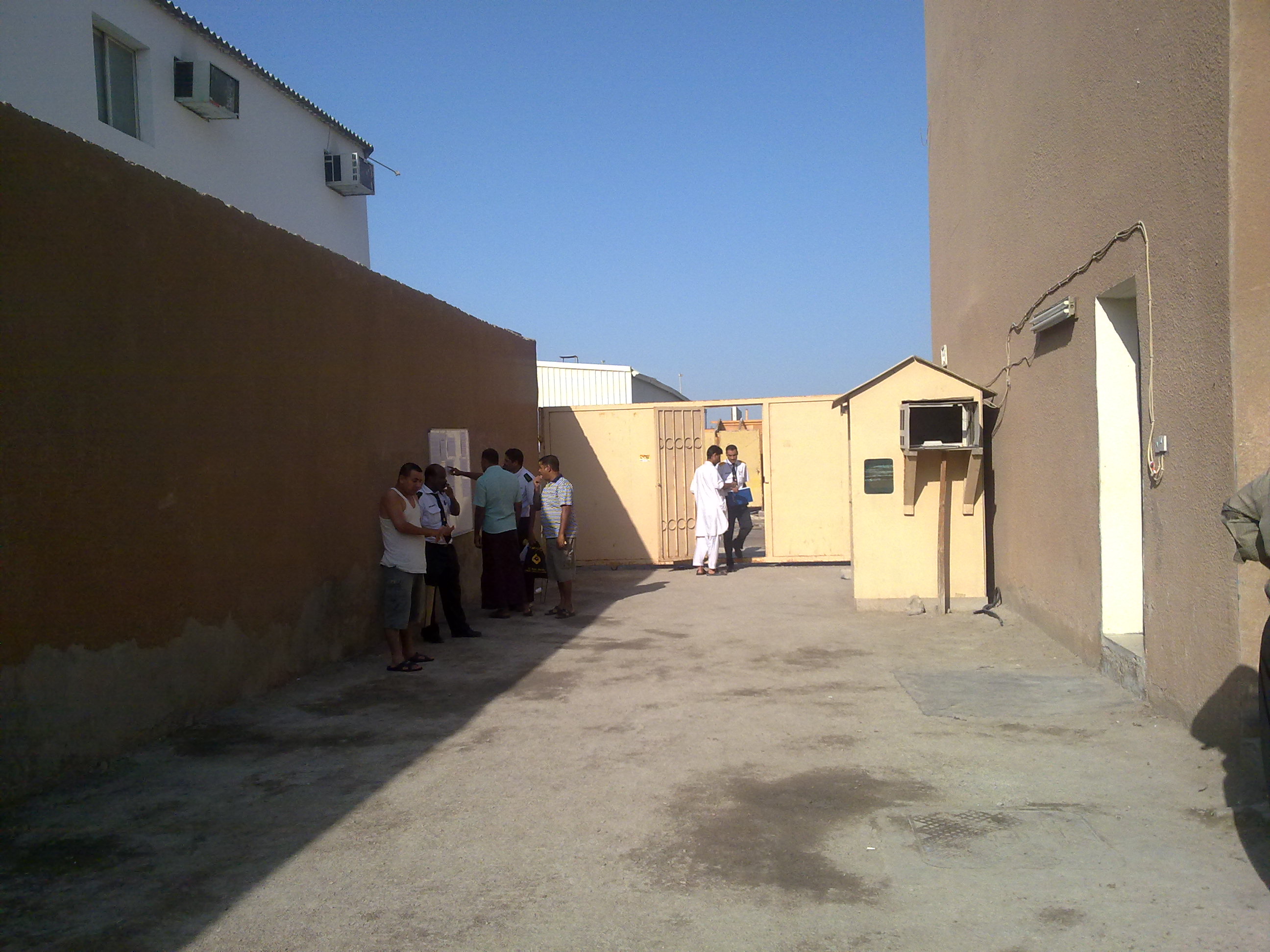 Migrant workers at leisure outside their residential camp in Abu Dhabi, UAE (2011)
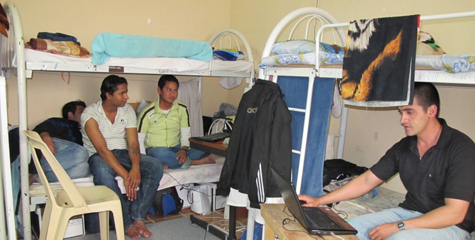 Migrants use the computer and internet to keep in touch with family and friends and watch latest serial comedies (Qatar, 2010)
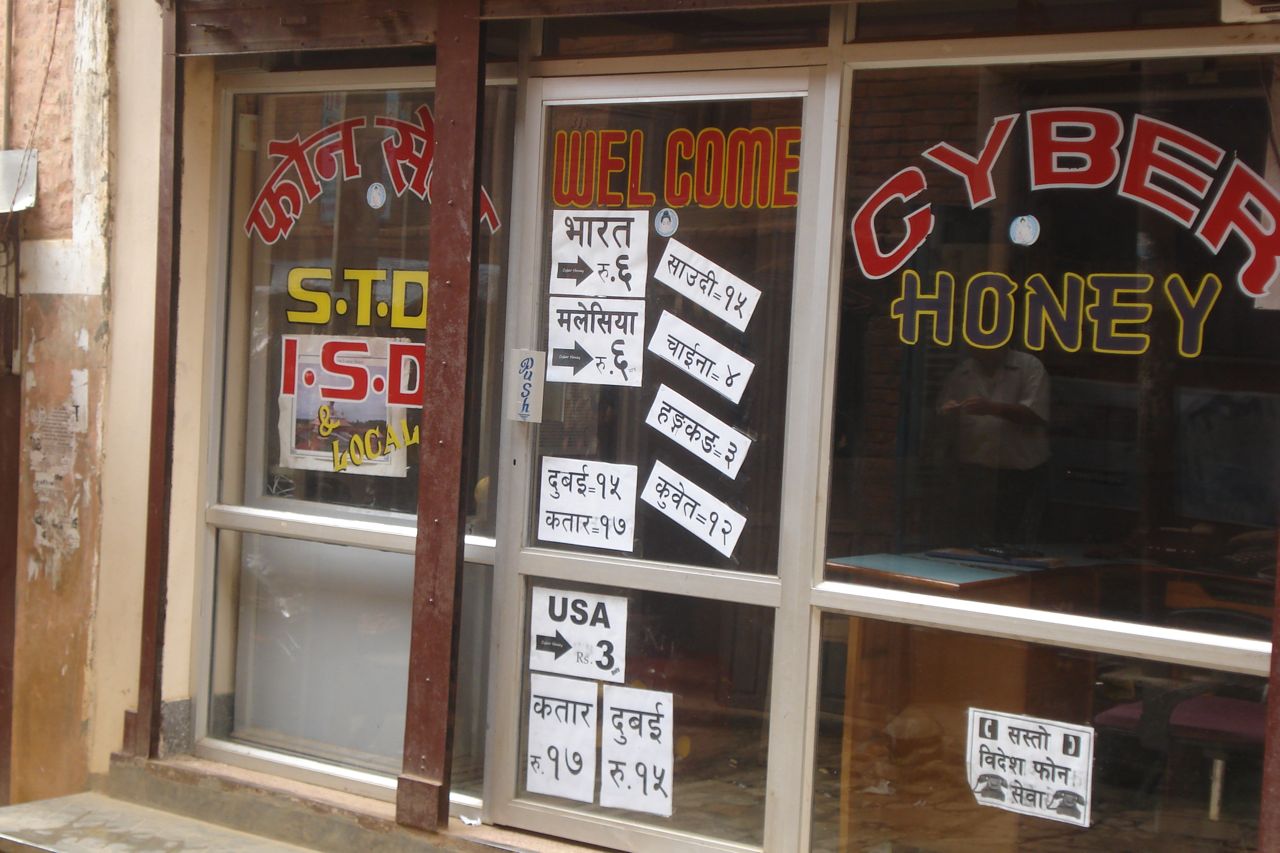 The rise of information technology has better connected the migrants with their families back home.
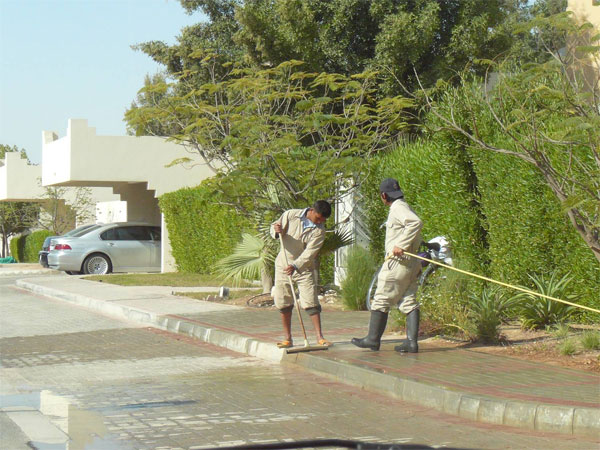 Migrant workers in a gated community are the link between the city's spaces (Qatar, 2010)
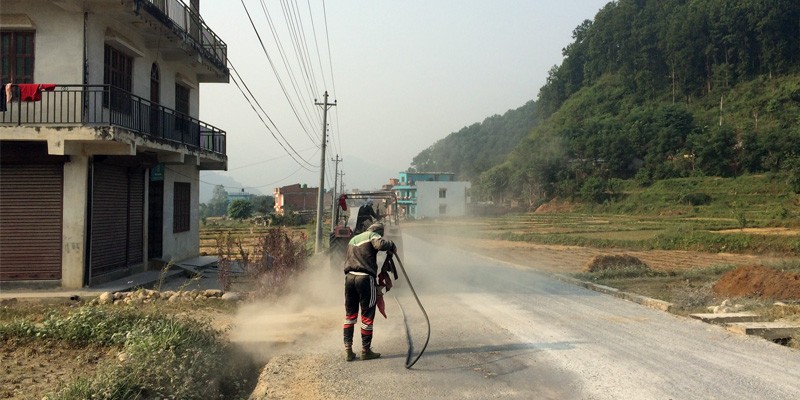 Worker blowing the dust/sand off the road with compressed air at a construction site in Tanahu before the binder is sprayed.
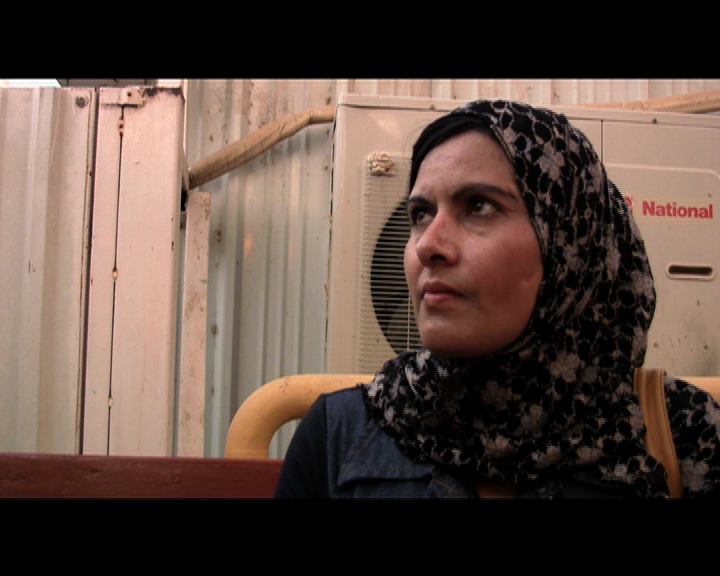 Nepali female migrant worker in Kuwait.
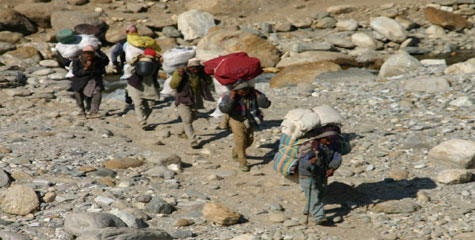 Migrant workers return to the western hills of Nepal from India. This photo was taken in Bajura.
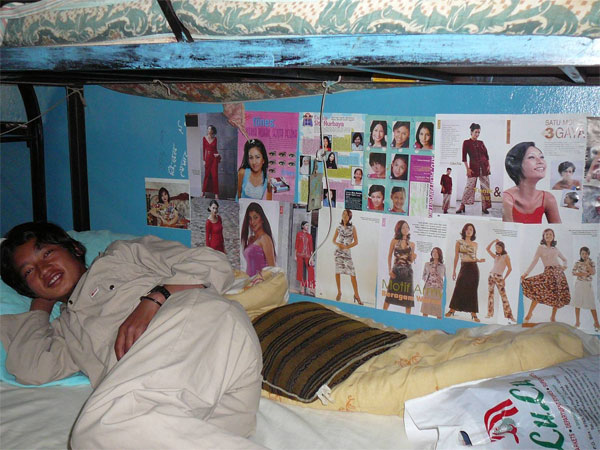 Living with stars (Qatar, 2010)
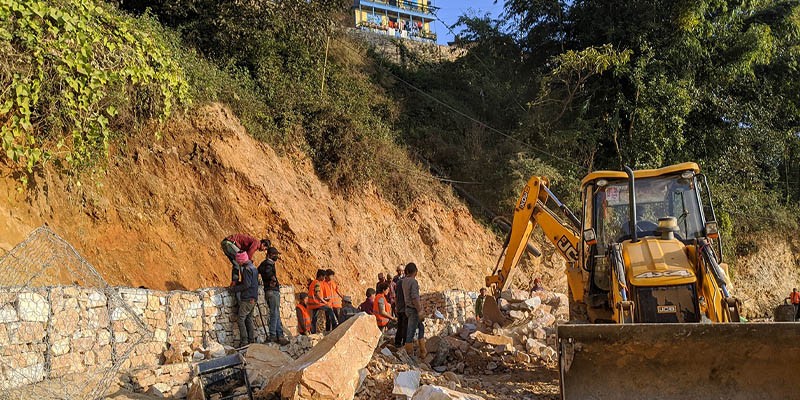 Migrant workers from Jajarkot, Salyan, Kalikot and Baitadi districts constructing gabion walls at a road construction site in Myanglung, Terhathum.
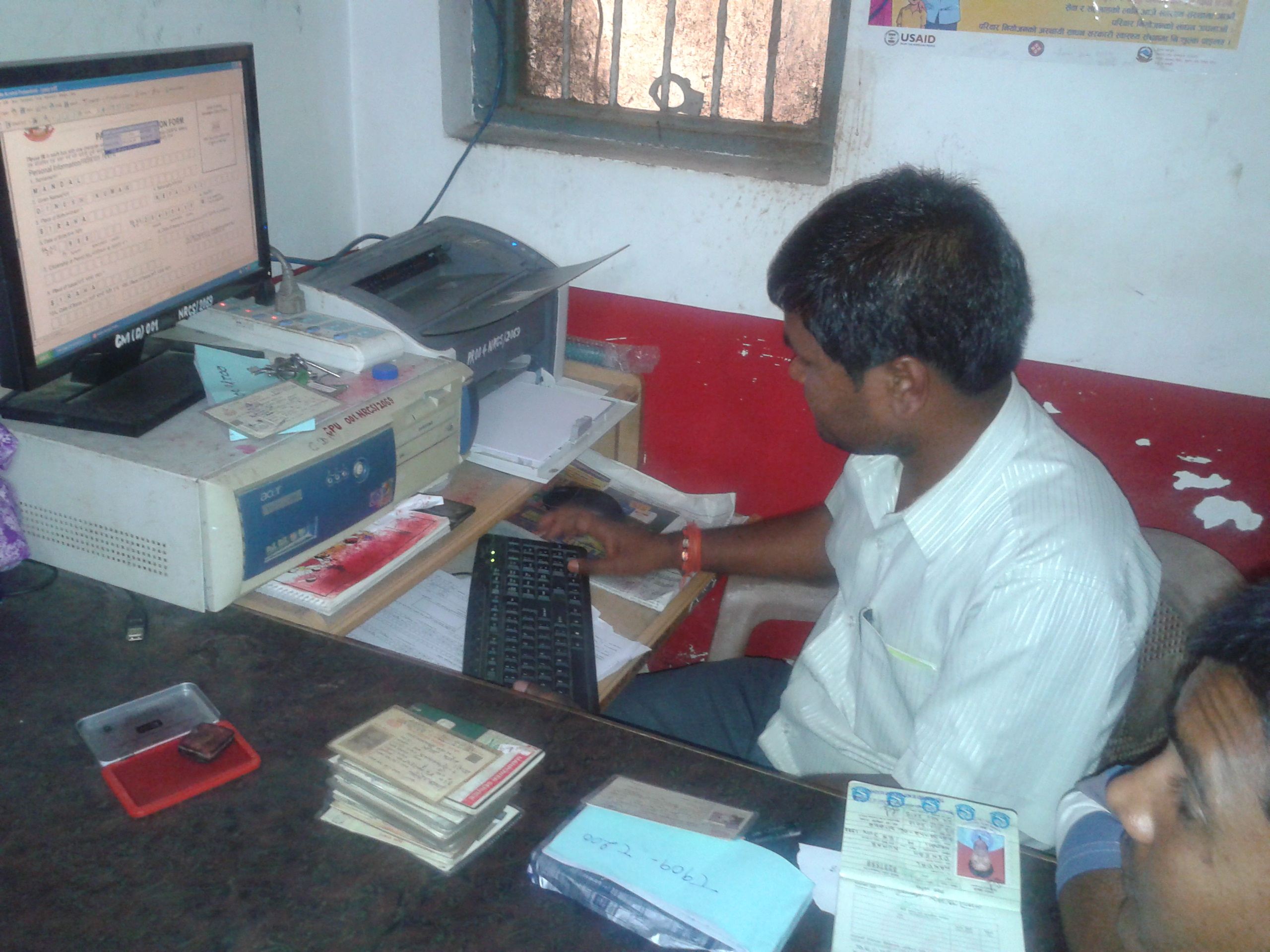 An official at the Siraha branch of the Red Cross Society helps prospective migrants fill out passport application forms for a nominal fee. This arrangement was sanctioned by the Chief District Officer as a source of funds for the Red Cross.
 A woman porter trudges the Everest trail near base camp with provisions for climbers headed for the summit.
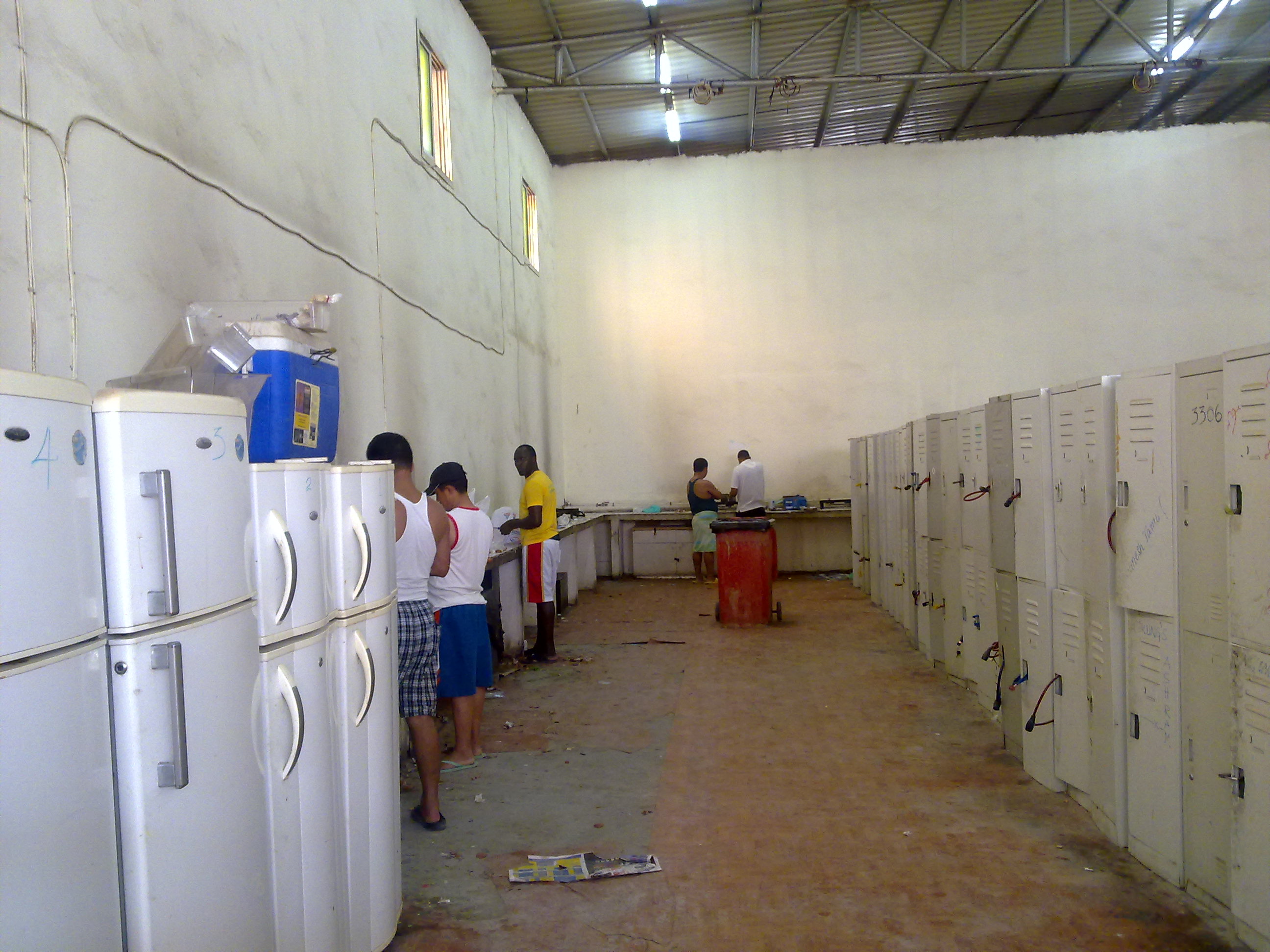 A peek at a workplace in Abu Dhabi, UAE (2011)
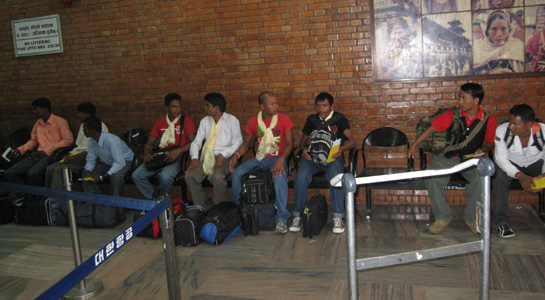 Migrants waiting at the Tribhuvan International Airport.
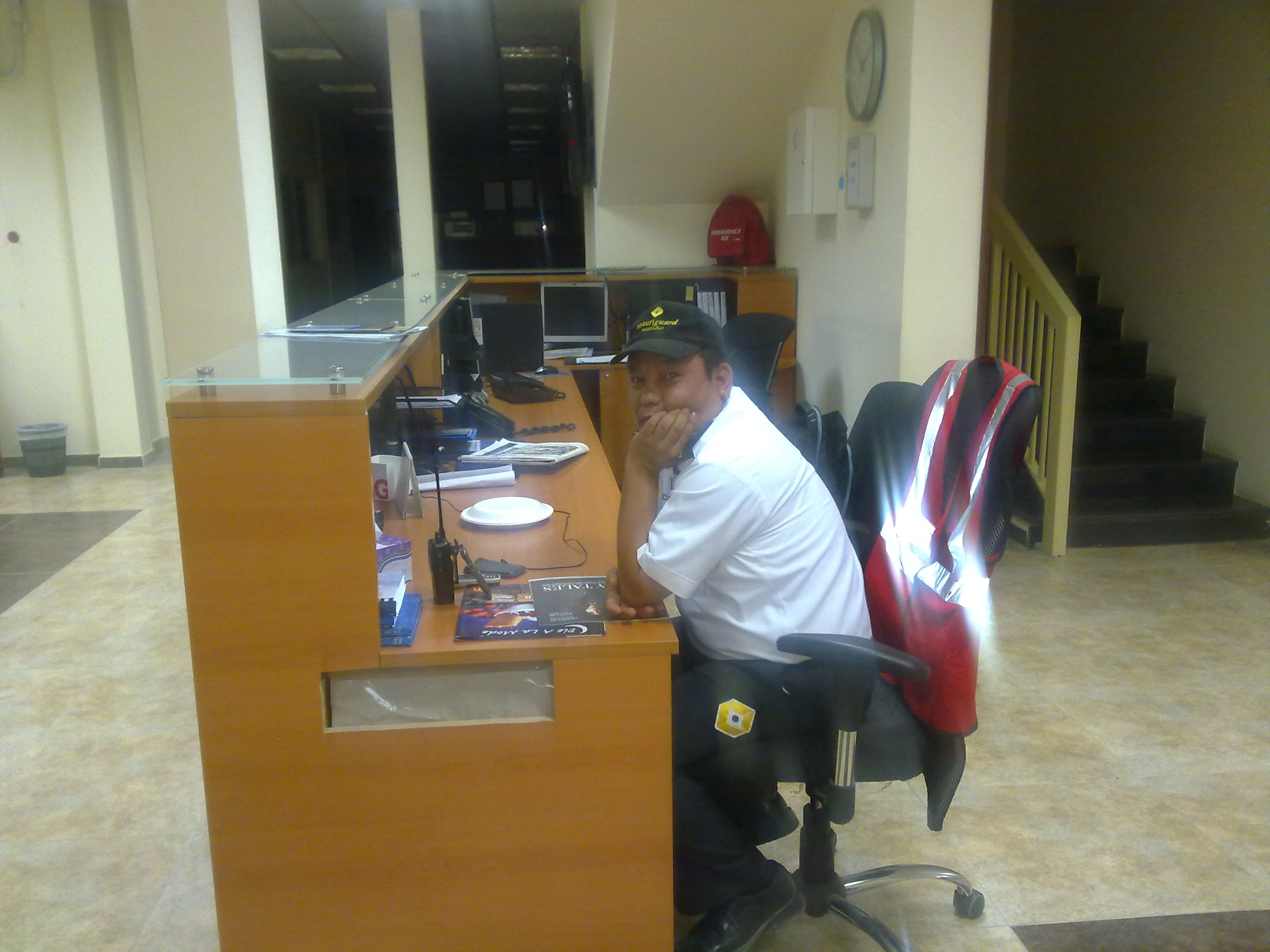 A Nepali worker on night duty in Abu Dhabi, UAE (2011)
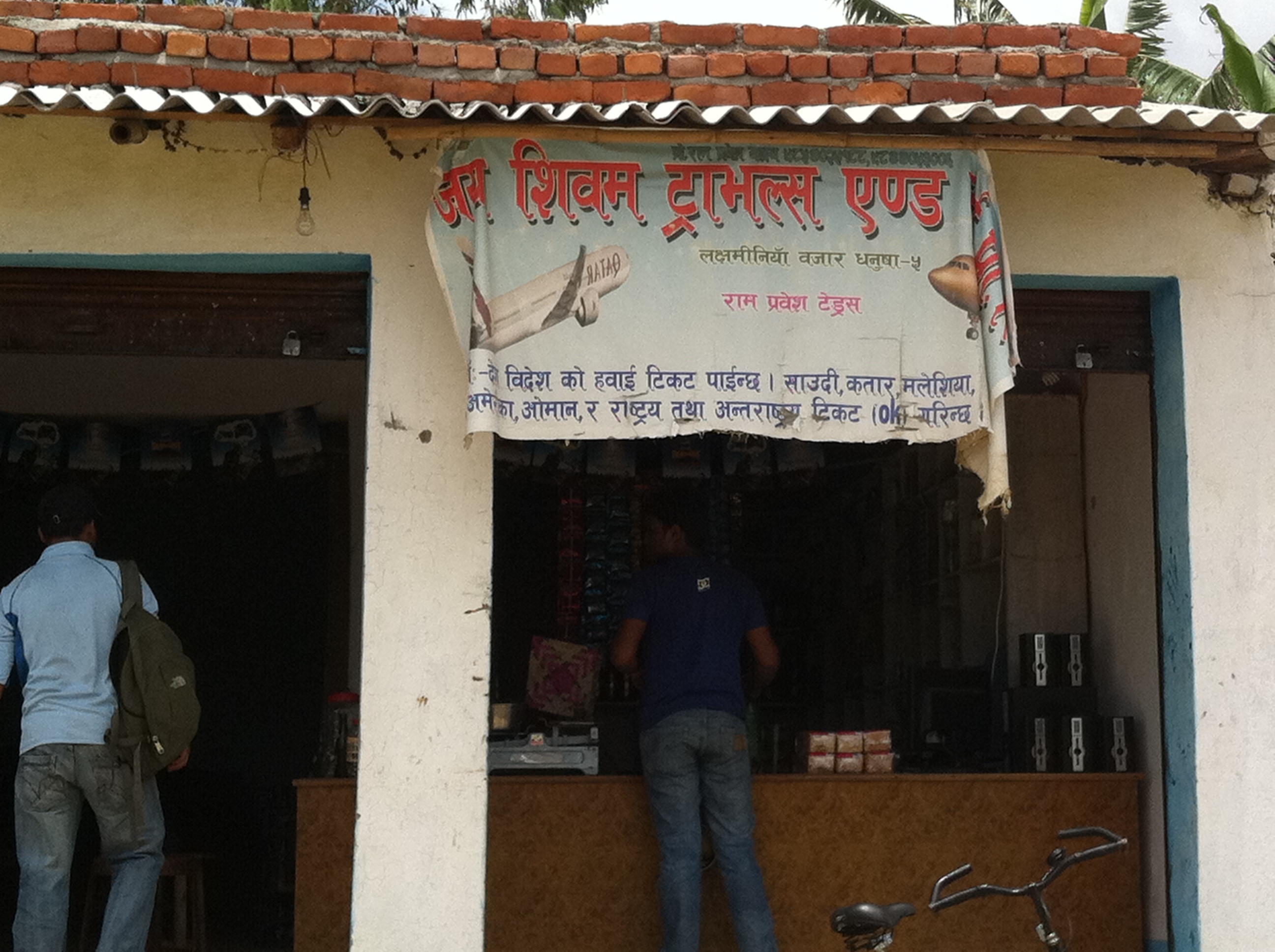 'We book plane tickets to Saudi, Qatar, Malaysia, Dubai and Kuwait. We also confirm (ok) them.' - A banner in front of a retail shop in Sinoorjoda VDC, Janakpur
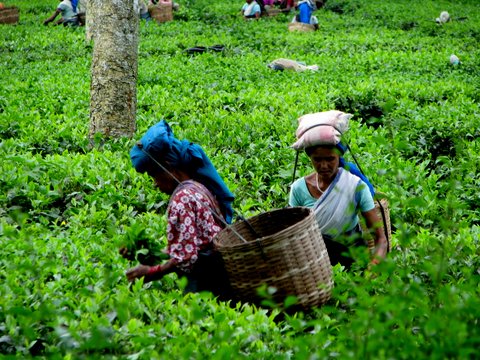 Many Nepali workers can be found working at tea estates in Assam, India.
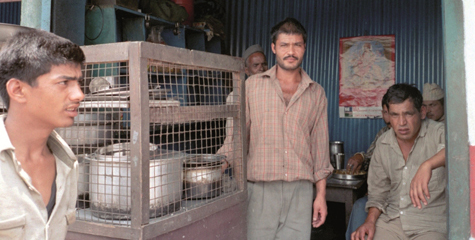 A small food outlet run by Baitadis chetris for all far-westerners working in Pithoragarh. (Pithoragarh, India, 2002)
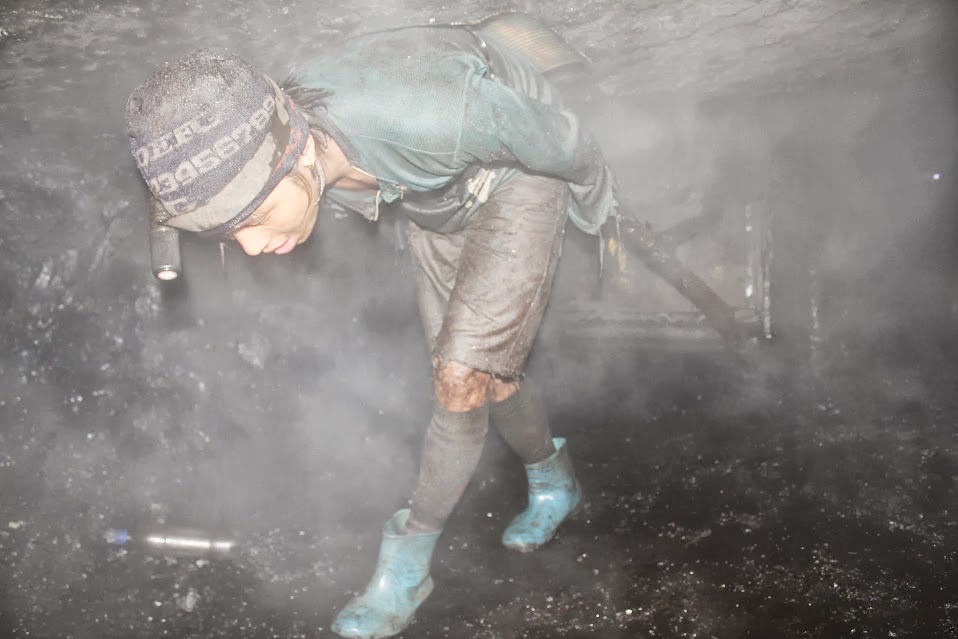 Hard at work - A Nepali worker in a coal mine in India (2013)
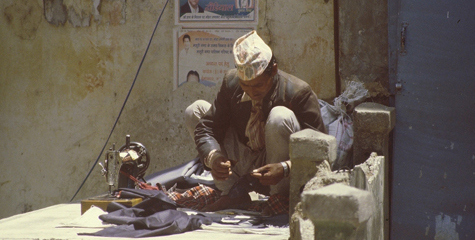 A Nepali tailor found a place to work for his numerous country-fellows porters (Mussoorie, India, 2003)
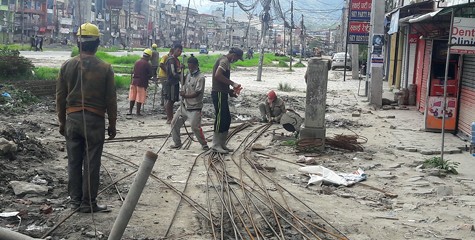 Nepali laborers constructing a business complex in Samakhusi Kathmandu during the lockdown.
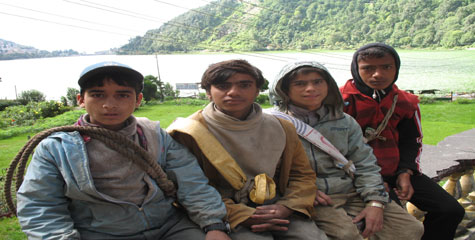 Young Nepali boys wait for work as porters in Nainital, India. Many people travel from the Far-and Mid-Western regions of Nepal to work as porters.
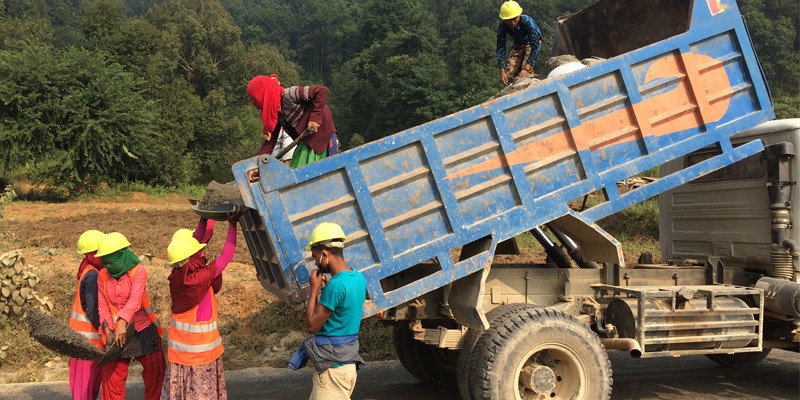 Internal migrant workers sand-sealing the road, the final step of the Otta Seal surface treatment process, at a road construction site in Tanahun.
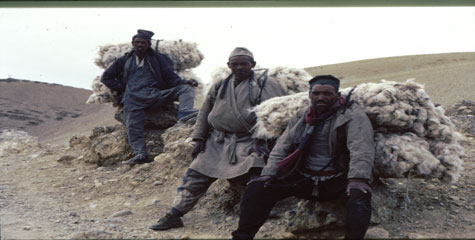 Nepali Migrant Workers in Taklakot, Tibet.
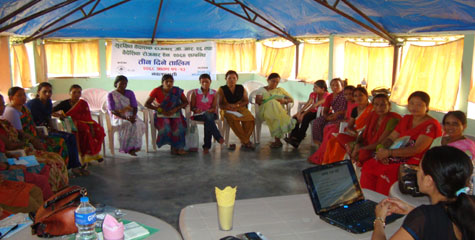 Orientation training to women migrant workers
 People carrying winnowing trays to sell at Barahchhetra, Sunsari.
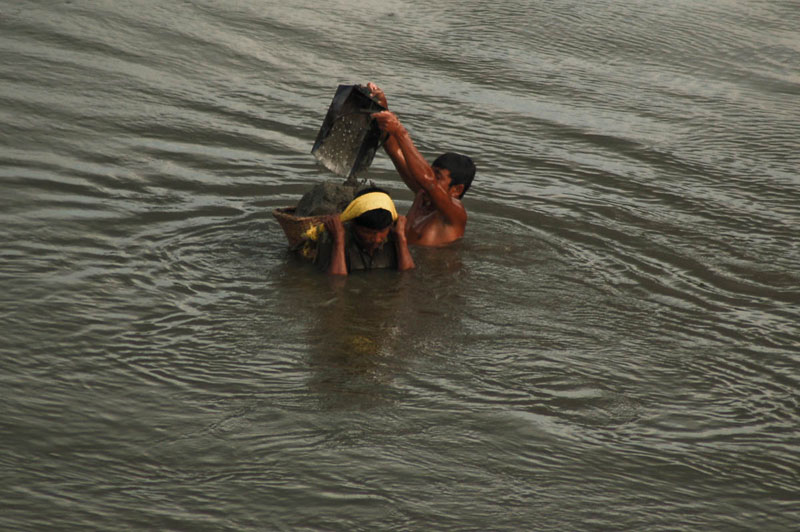 Workers collecting sand from Bagmati River, at Sankhamul in Kathmandu
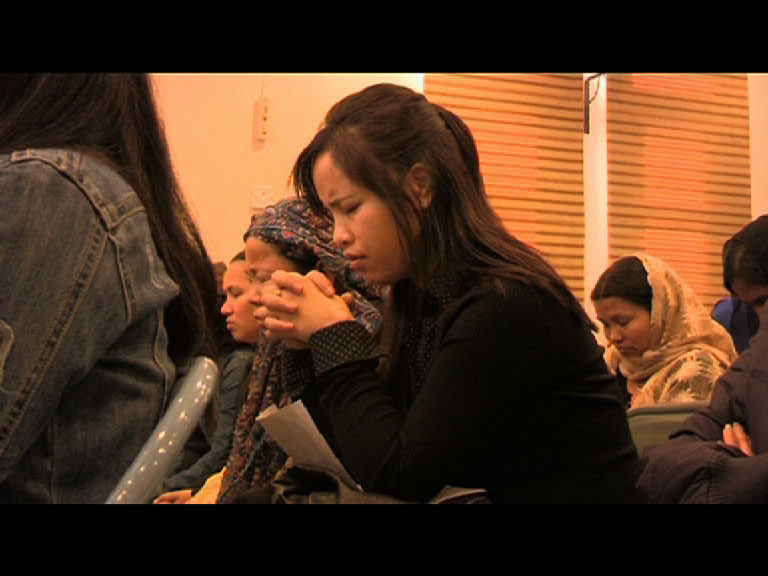 Nepali female migrant workers pray at a church in Kuwait
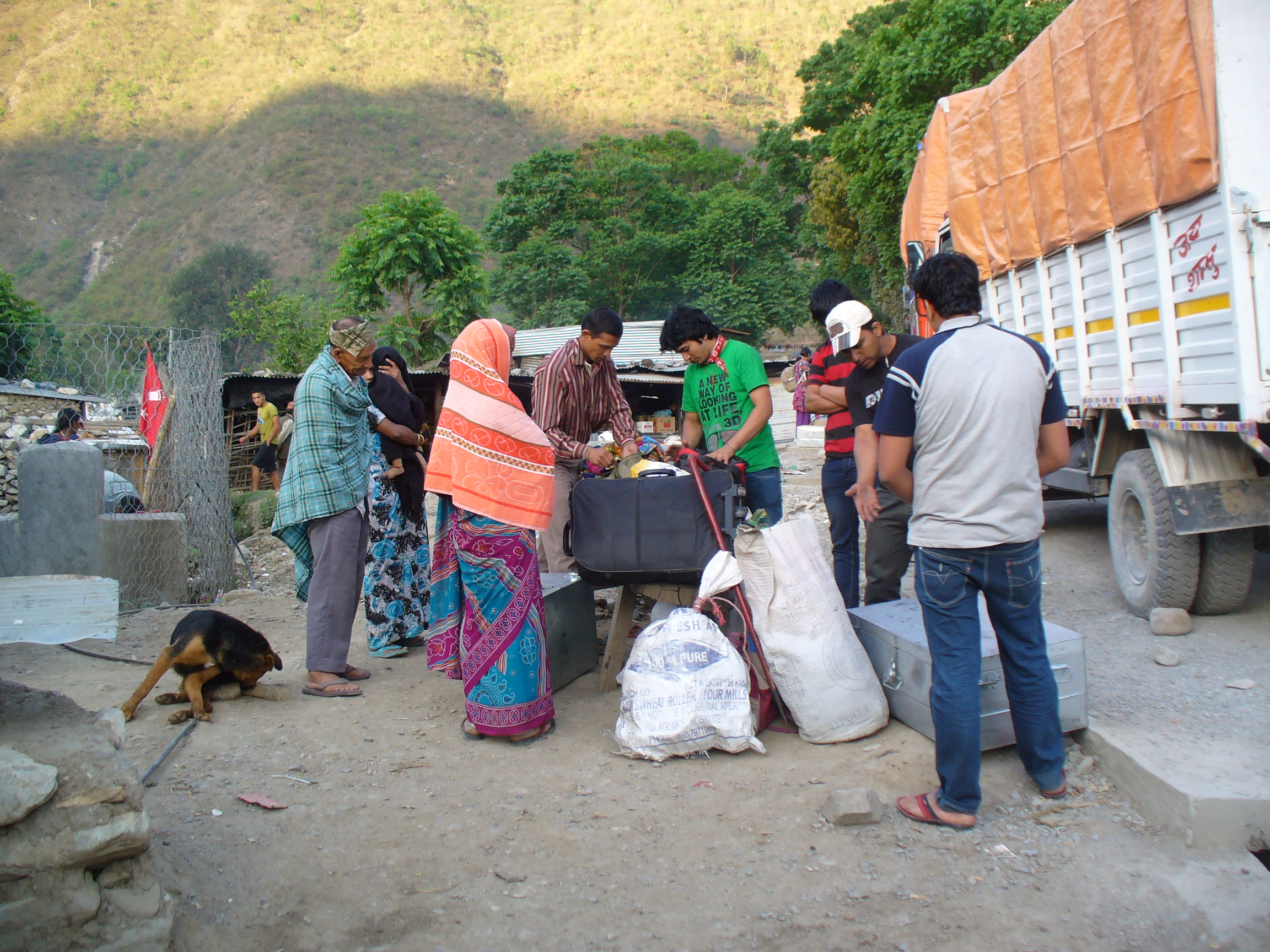 Deura, Bajhang district: Group of Nepali migrants coming back from Bangalore sort out their luggage after deboarding the overnight bus.
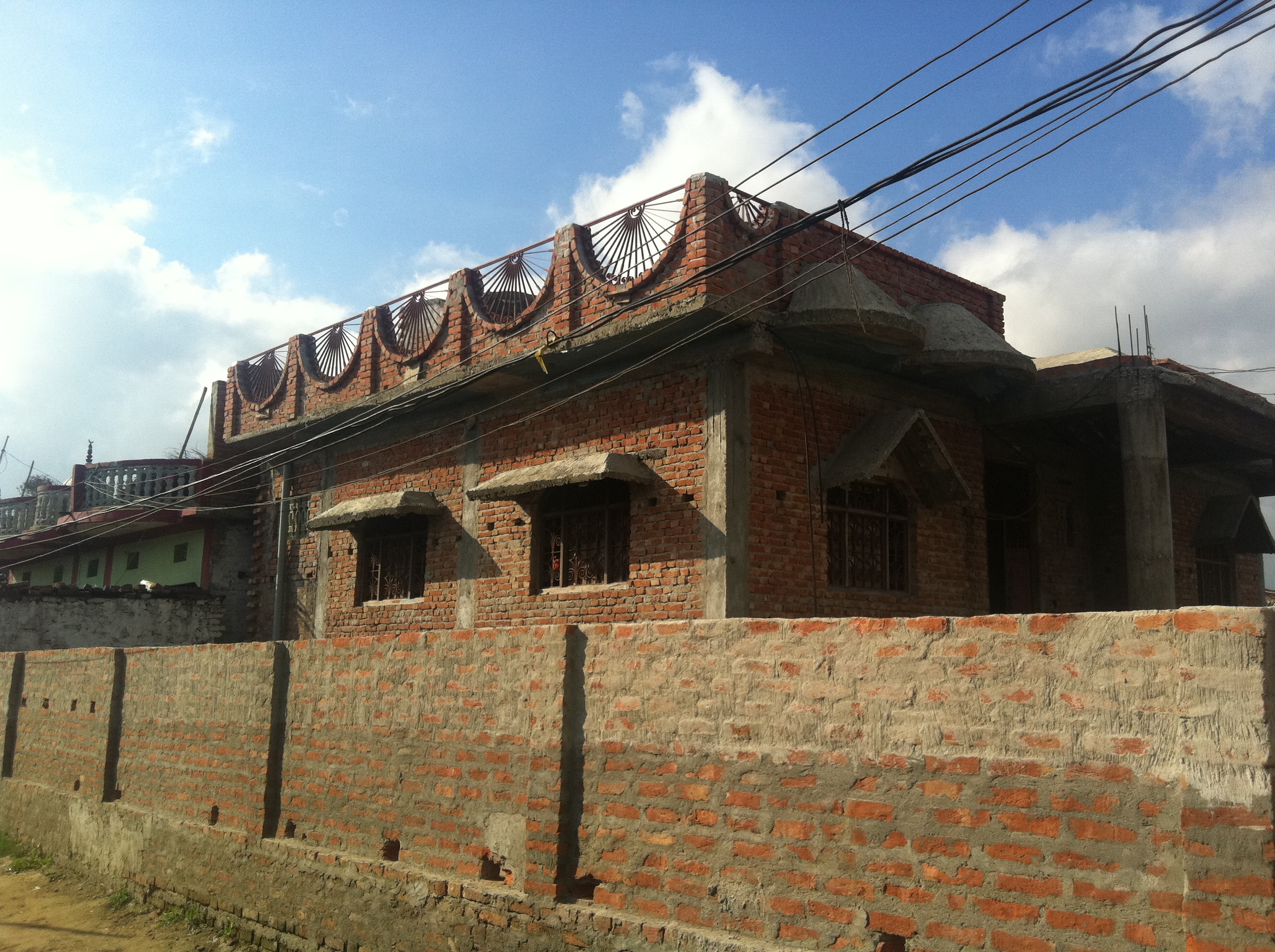 A house in Sinoorjoda, Janakpur, with Qatari-inspired architectural design.
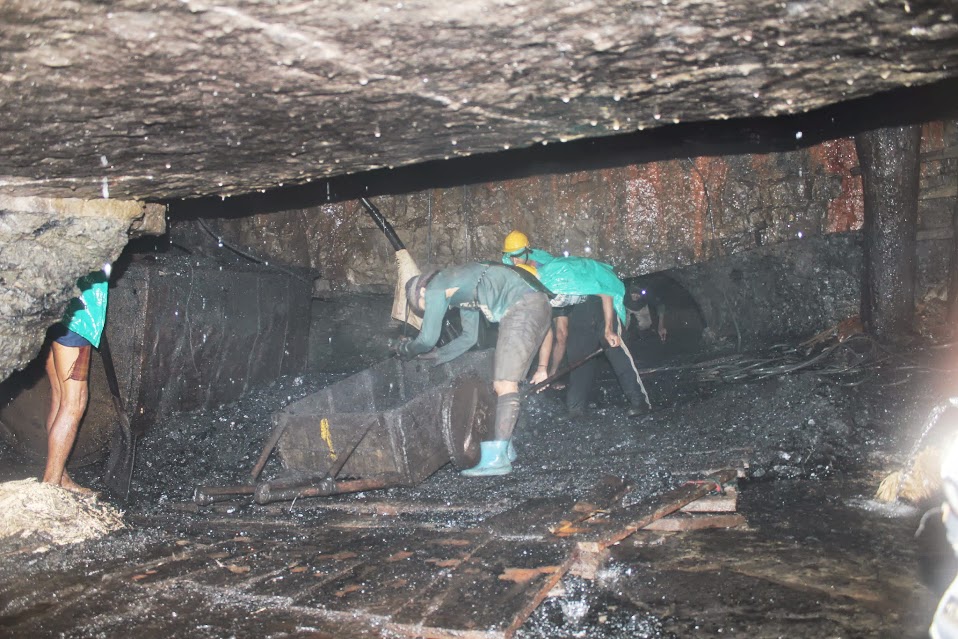 Nepali workers in a coal mine in India (2013)
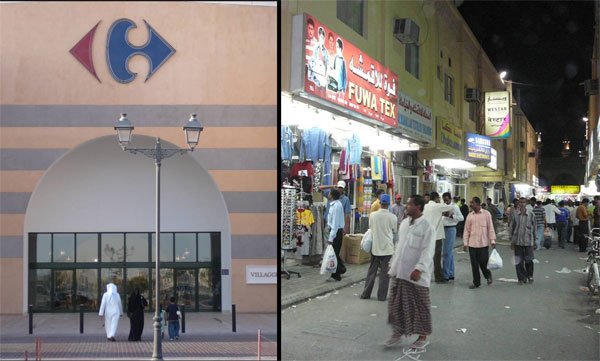 Contrasting shopping spaces- Villaggio shopping mall (left), Al Attya Industrial Area (right) (Qatar, 2010)
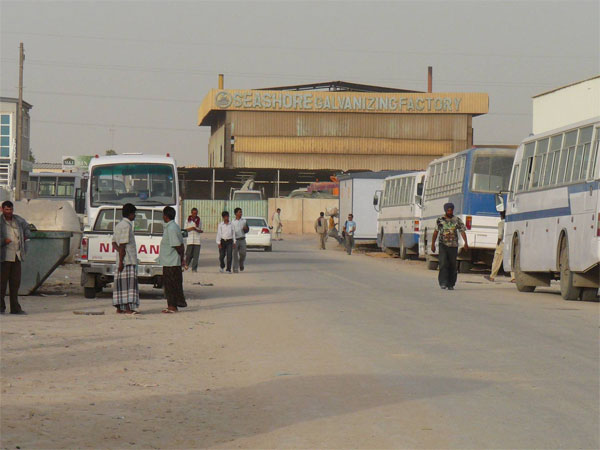 Industries and workers' dwelling places in one of Qatar industrial area (Qatar, 2010)
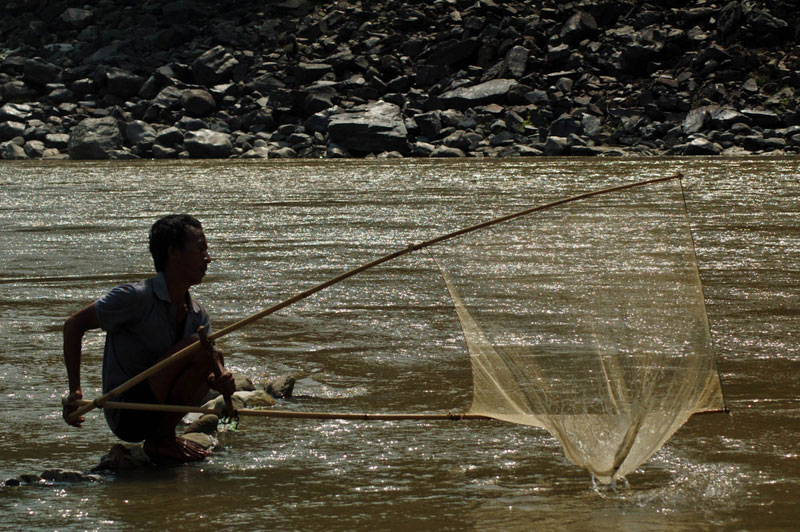 A local fishing in the Koshi river of Barahchhetra, Sunsari
 Migrant returnee from Malaysia going home with his wife and son after four years.
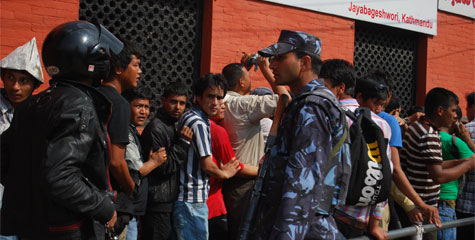 Prospective migrant workers stand in queue to apply for the Korean Language Test in Kathmandu (May, 2011)
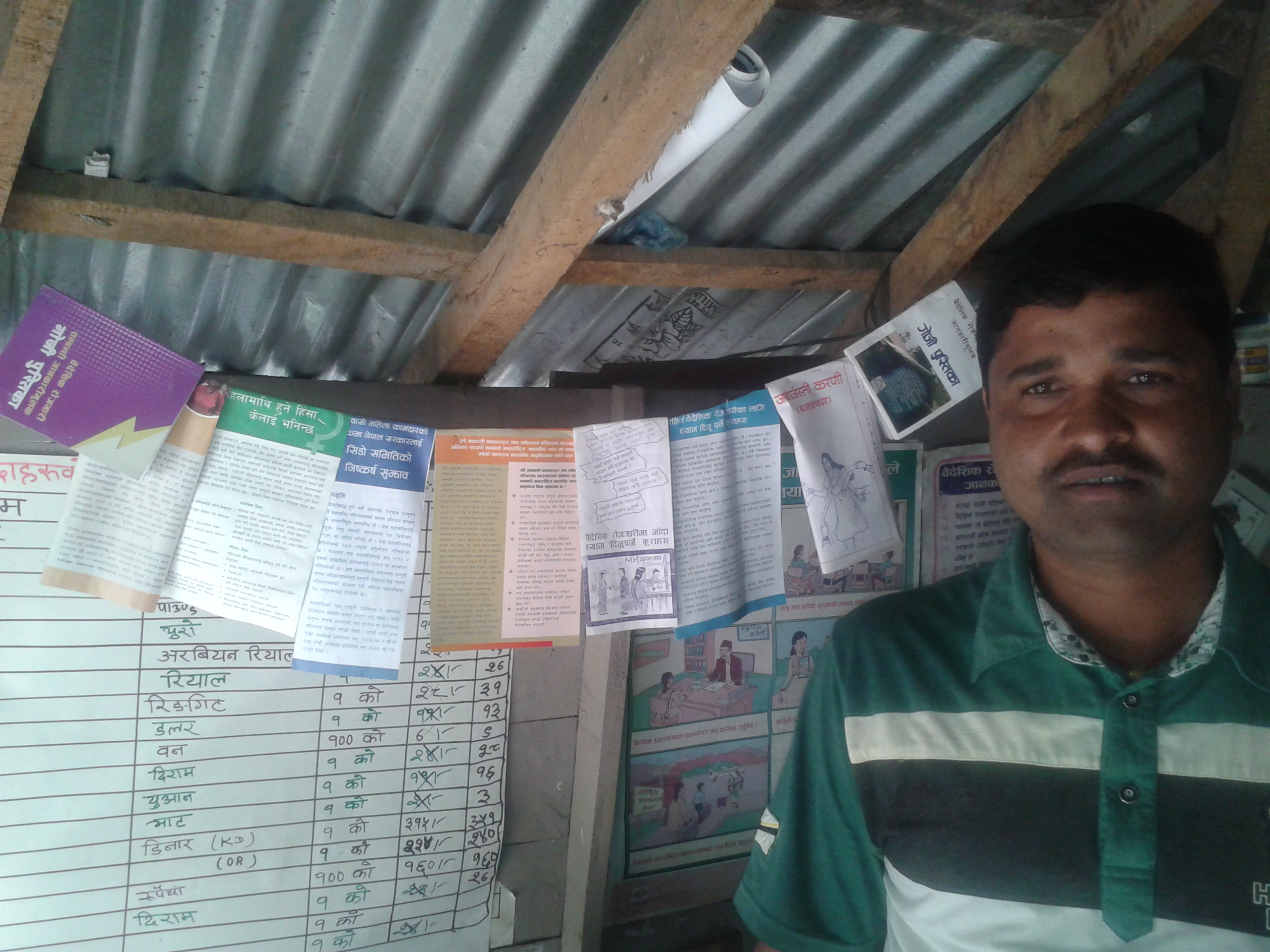 An official at the Siraha branch of the Red Cross Society helps prospective migrants fill out passport application forms for a nominal fee. This arrangement was sanctioned by the Chief District Officer as a source of funds for the Red Cross.
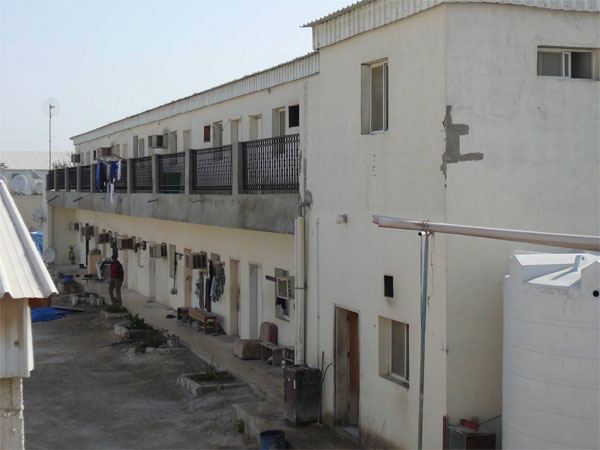 A typical labor camp (Qatar, 2010)
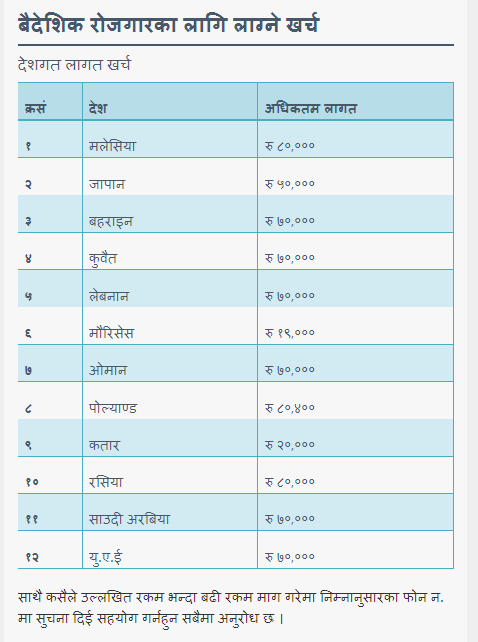 Cost of migration
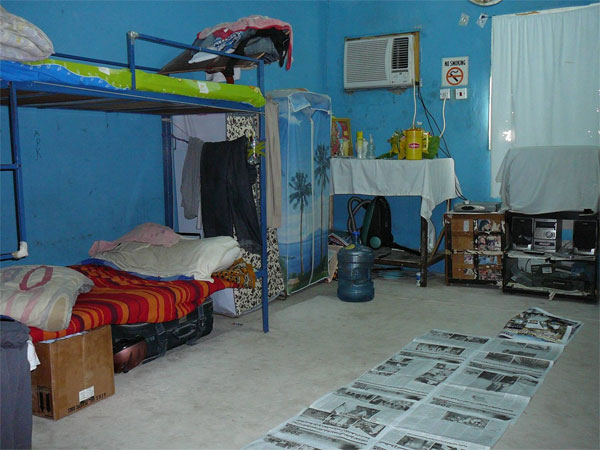 Collectively bought items in a migrants' room (Qatar, 2010)
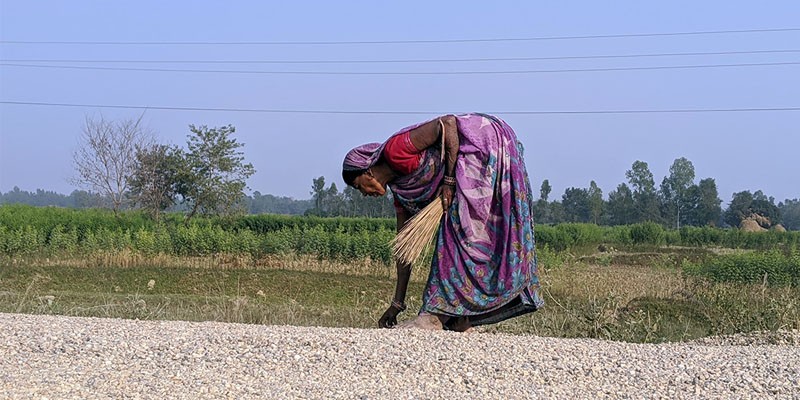 A local woman labourer picking outsize pebbles at a road construction site in Matihani, Mahottari.
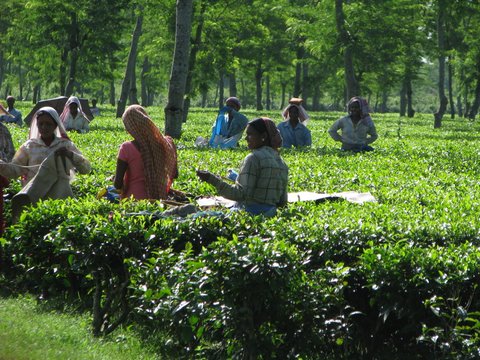 Many Nepali workers can be found working at tea estates in Assam, India.
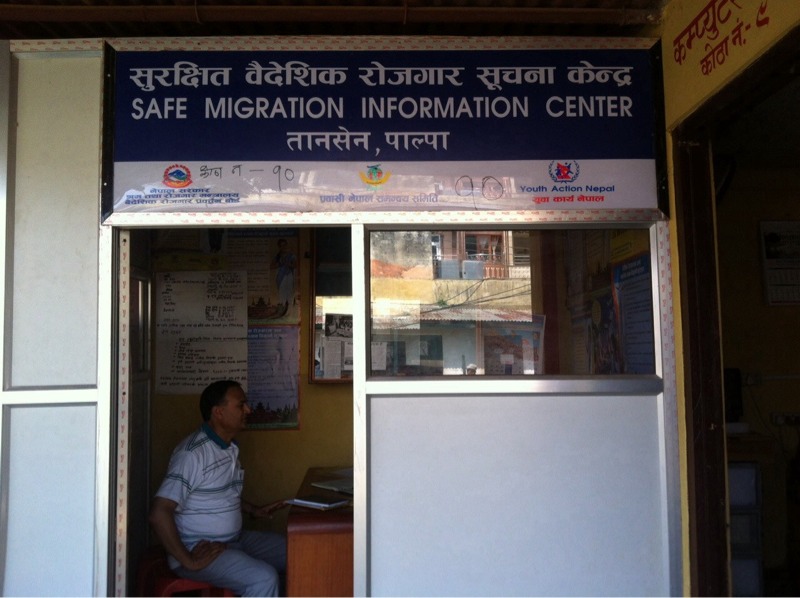 Office of Safe Migration Information Center
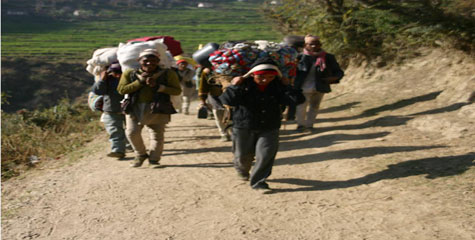 Migrant workers return to the western hills of Nepal from India. This photo was taken in Bajura.
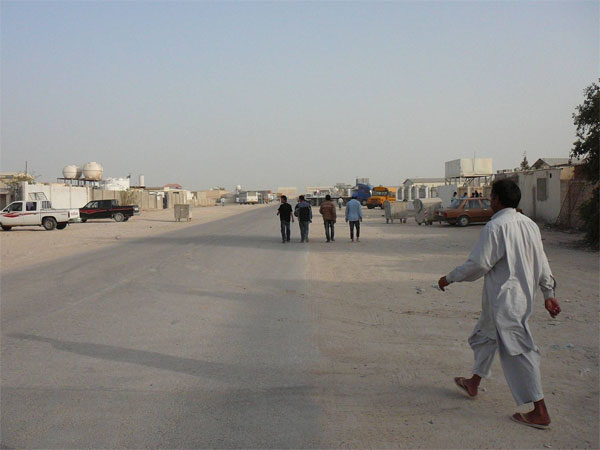 Labor camp area facilities are minimal (Qatar, 2010).
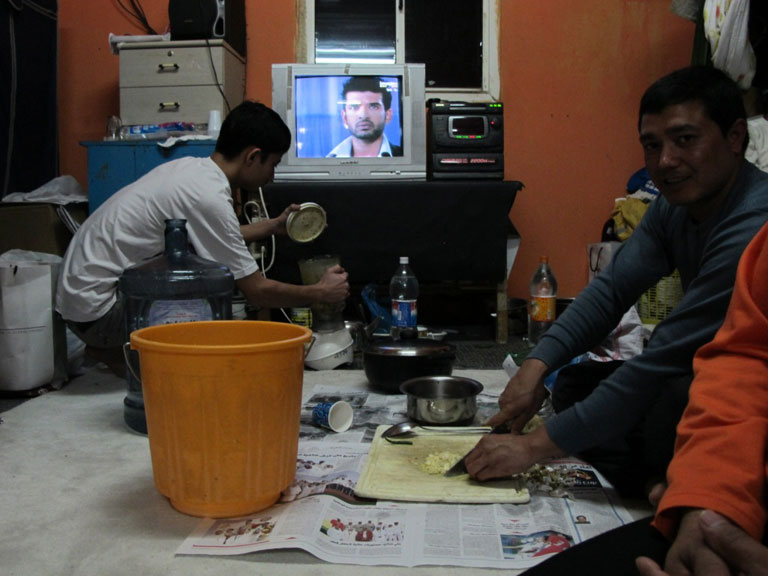 Young men quickly learn how to supplement the mess food often viewed as tasteless (Qatar 2010).
 Workers from Mahottari and Rautahat districts laying bitumen at a road construction site in Matihani, Mahottari.
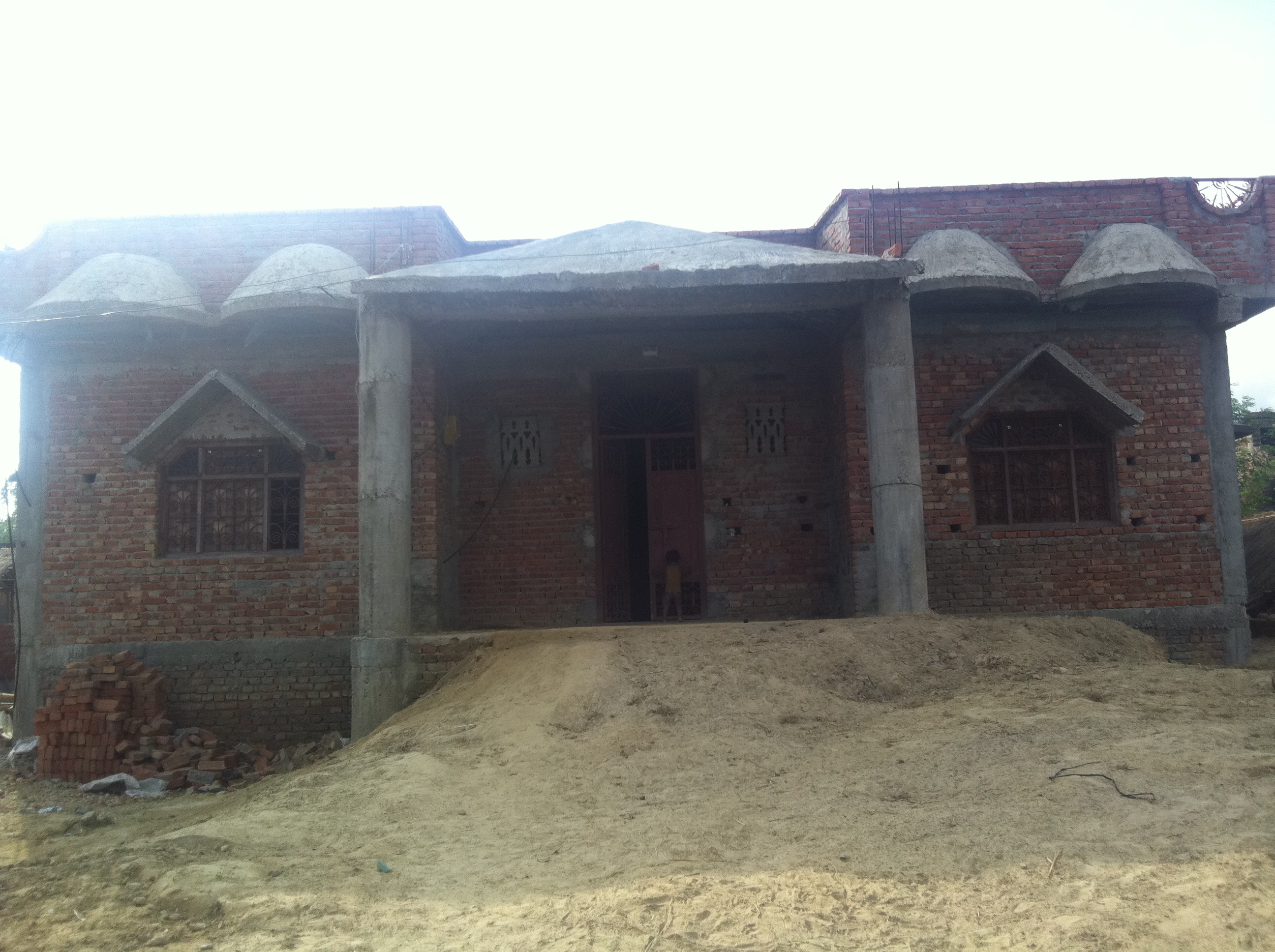 A house in Sinoorjoda, Janakpur, with Qatari-inspired architectural design.
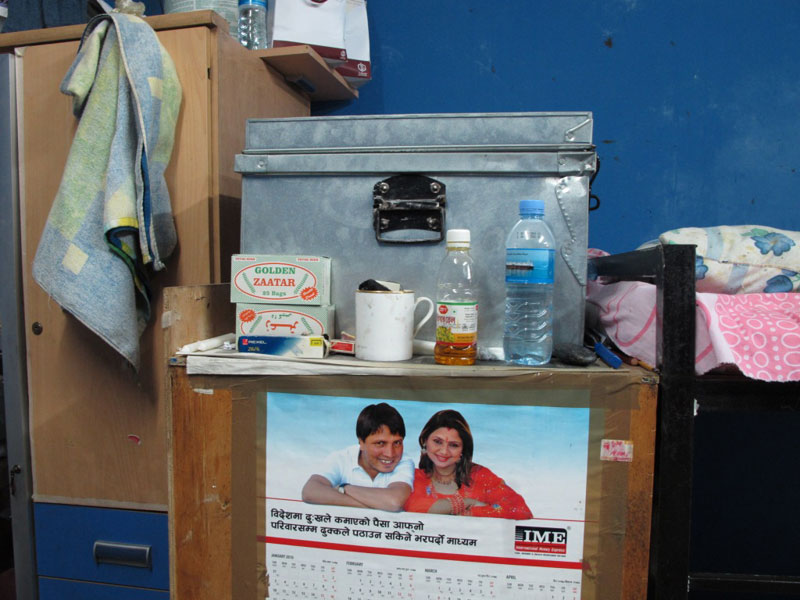 Send your hard-earned money to your family through a trustable medium. Calendar printed by IME shows two Nepali celebrities
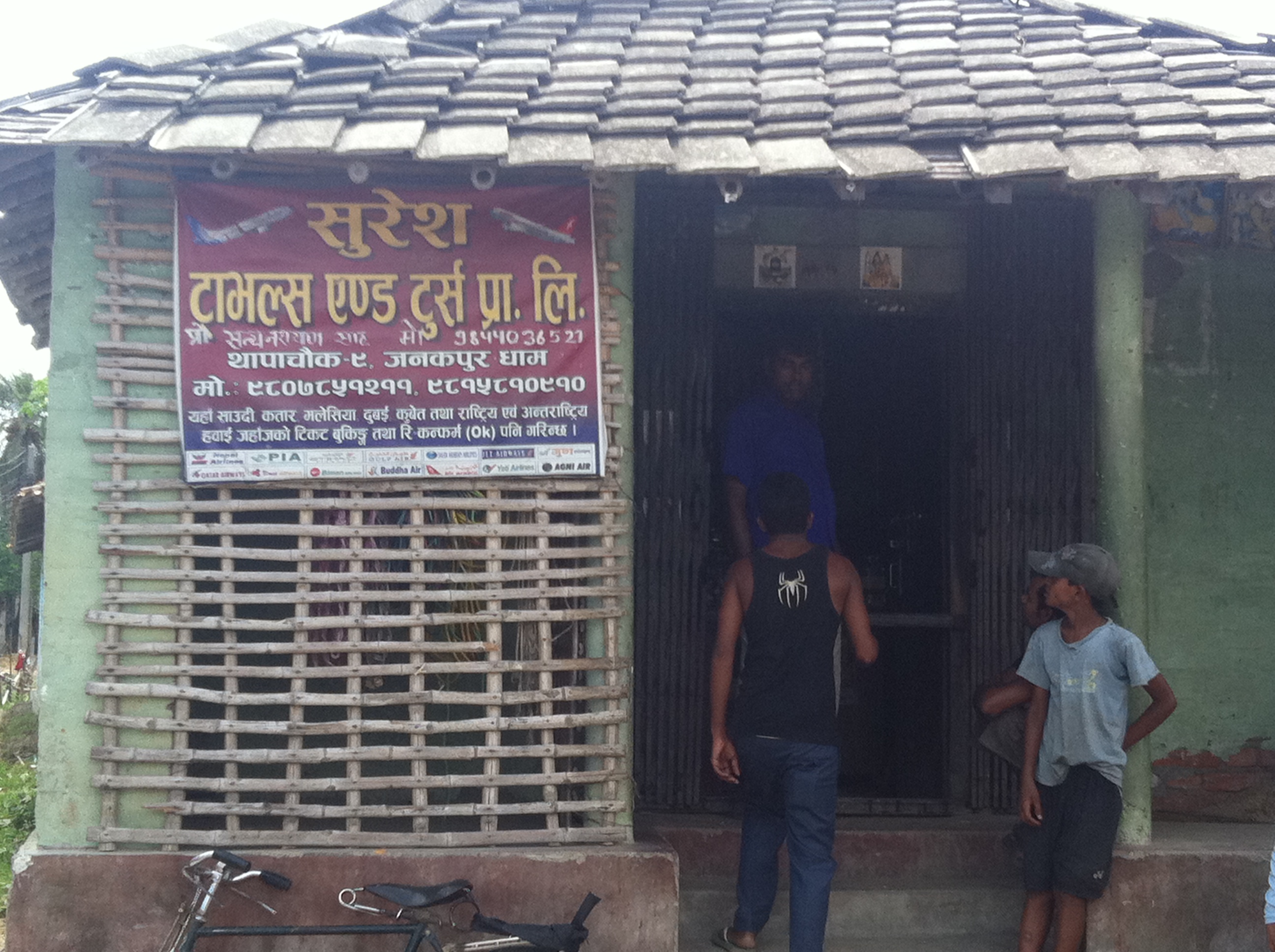 'We book plane tickets to Saudi, Qatar, Malaysia, Dubai and Kuwait. We also confirm (ok) them.' - A banner in front of a retail shop in Sinoorjoda VDC, Janakpur
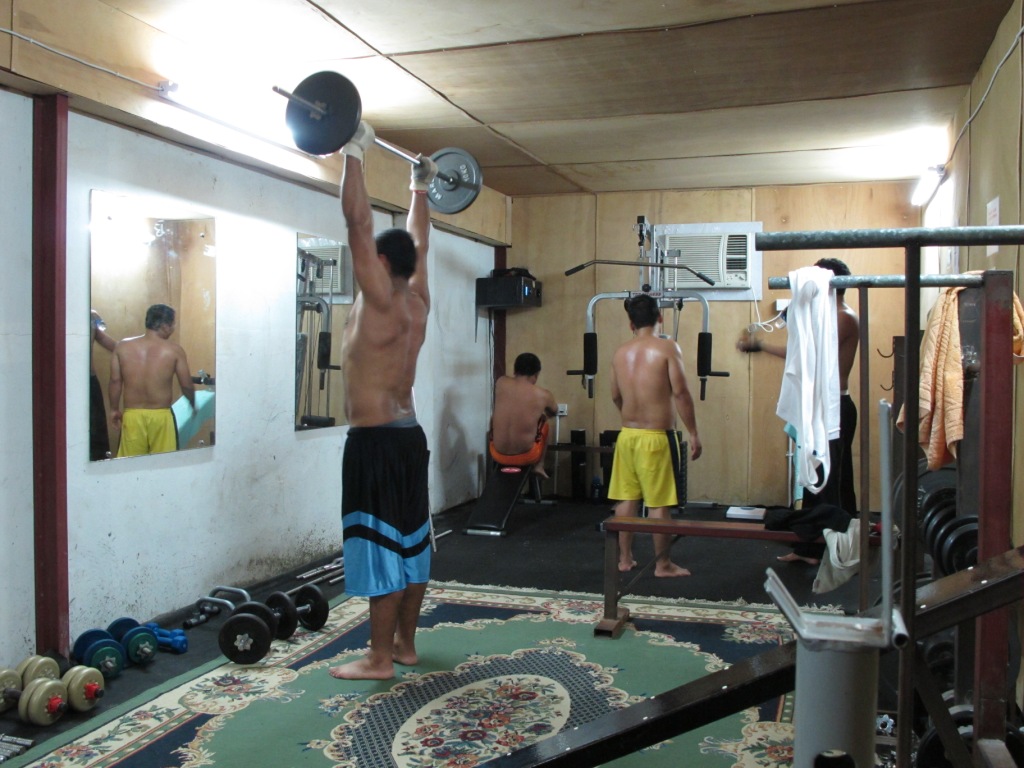 Workers spending energy after work and train in the self funded gym hall (Qatar 2010).
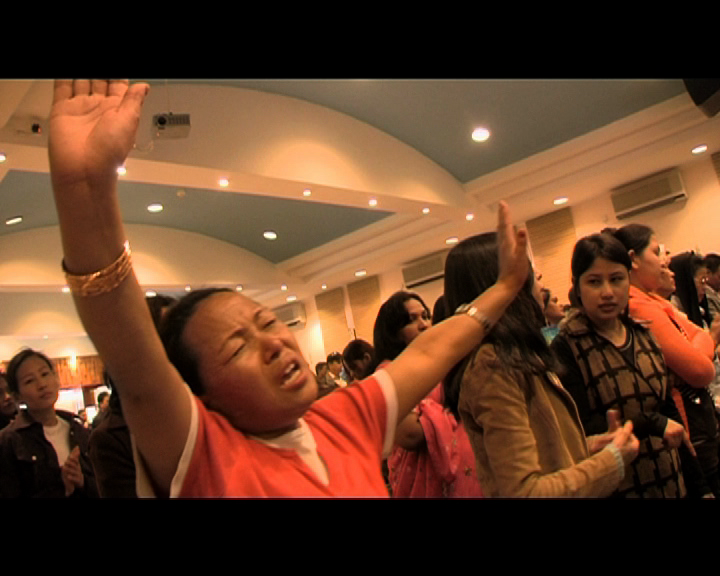 Nepali Christian migrant workers in Kuwait

GET IN TOUCH